A Moment in a Kitchen Sparked a Career: A UNR Educator Fighting for Language Access for the Deaf Community
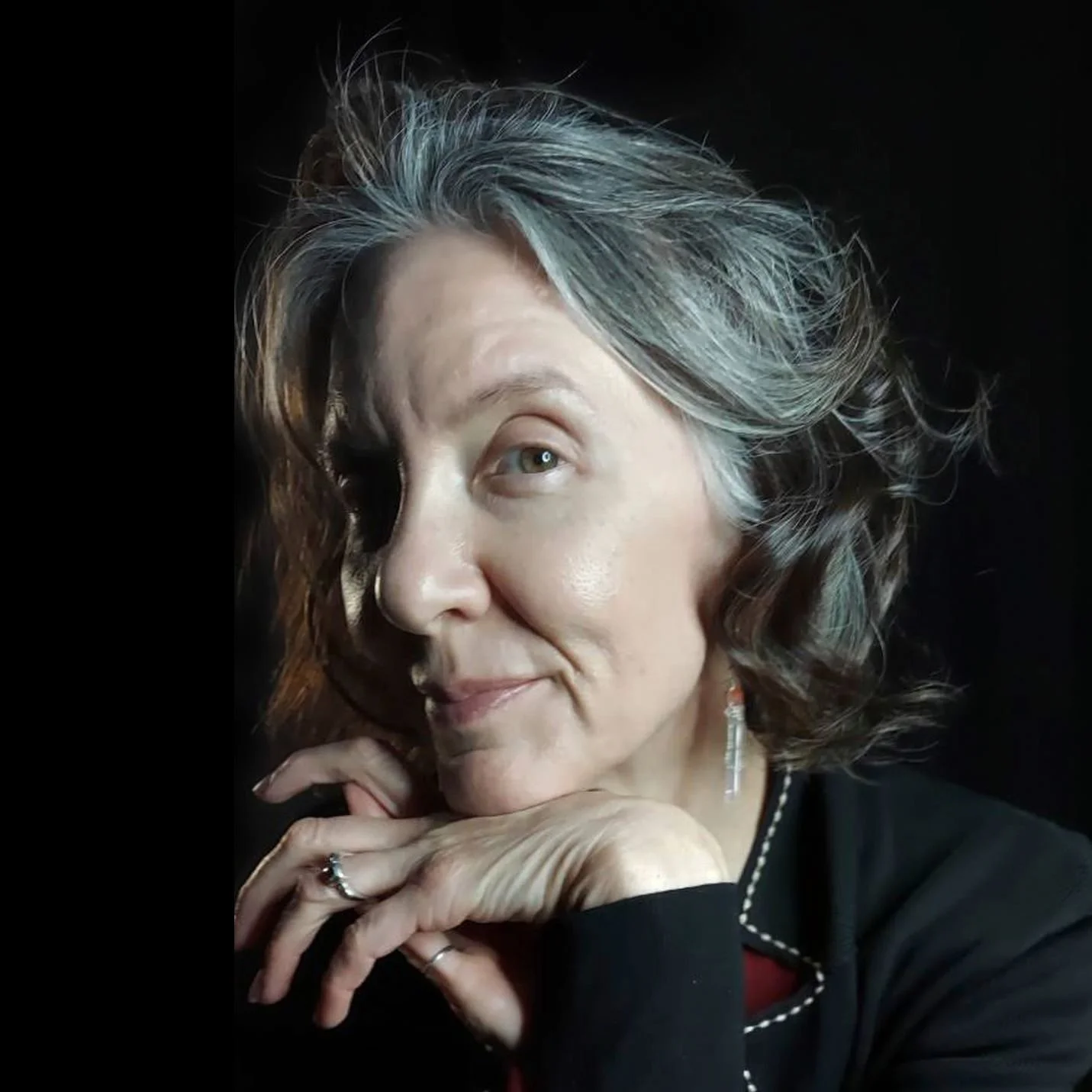
After witnessing language depravation firsthand, Andrea Juillerat-Olvera is pushing to bring northern Nevada its first interpreting bachelor’s program amid a statewide interpreter shortage. Photo provided by Andrea Juillerat-Olvera. Reporting by Amanda Avilla
The first time Andrea Juillerat-Olvera realizes what language deprivation looks like, she’s standing in a friend’s kitchen as Jade, her friend’s deaf toddler, has no means of communicating with the two hearing adults present. No interpreter, no shared language, just rising frustration and a resounding silence.
“We need to talk to Jade,” Juillerat-Olvera says.
That moment, brief but unmistakably urgent, pushed the two into their first American Sign Language class. What began as a desire to communicate with one child grew into a lifelong career in advocacy, education, and interpreting.
Nearly two decades later, Juillerat-Olvera continues that work at the University of Nevada, Reno (UNR). She joined the university’s Disability Resource Center [DRC] in 2007, helping ensure campus accessibility and compliance with the Americans with Disabilities Act (ADA). Two years ago, she transferred into the World Languages department, where she leads and curates the ASL minor. She hopes to continue the expansion into a bachelor’s degree of interpreting, which she says the Northern Nevada community desperately needs.
“The biggest problem is that we don't have enough interpreters. We just don't,” Juillerat-Olvera explains.
Nevada faces a severe interpreter shortage, with a small handful of professionals qualified to interpret in high-stake situations such as hospitals and courtrooms.
“And I hear complaints about it all day long from Washoe County students, you know, in K-12,” says Juillerat-Olvera. “I know that the DRC struggles to get interpreters. There is just not enough.”
Not only does the community feel the lack of interpreters, her students feel the absence as well. Nevada State University in Henderson is the only university to have an interpreting program. Many complete the minor and leave the state altogether to finish their training elsewhere. Juillerat-Olvera wants to change that. Her goal is to launch the state’s second interpreting bachelor’s degree here at UNR, which would be a first for Northern Nevada.
“There's no guarantee that my proposal will make it through the many levels of institutional approval,” she says. “You need many departments, committees, and people to sign off on the proposal. And the paperwork itself is complex and time consuming.”
Despite the challenges, her current program is thriving. It includes multiple deaf instructors, a deaf TA, and partnerships placing ASL students in local classrooms for service learning. The ASL Club, though facing typical student-leadership turnover, remains active in hosting Deaf Appreciation Weekend and community events.
Cultural awareness, she says, is growing as well. More students from journalism, business, education and health care programs increasingly view ASL as a full, rich language, and as a tool for expanding accessibility in their future careers.
“My goal is to flood this area with signers,” she says.
Even small moments of communication can shift a community: an employee greeting a customer in sign at a movie theater, a classroom aide who understands Deaf culture, a doctor who knows how to communicate clearly with Deaf patients. These everyday interactions, Juillerat-Olvera says, create access in places where it has long been lacking.
With statewide conversations about accessibility gaining momentum, Juillerat-Olvera is cautiously optimistic. Still, the need remains urgent, and she believes the next generation of signers and interpreters will drive the change.
“My students are the soldiers in the battle,” Juillerat-Olvera says, “Just by existing in the community, they make things better.”
Feel free to share this story via our social media below: