Washoe County Regional Animal Services Revises Heat Protocols After Dog Called Meatball Dies In Its Care
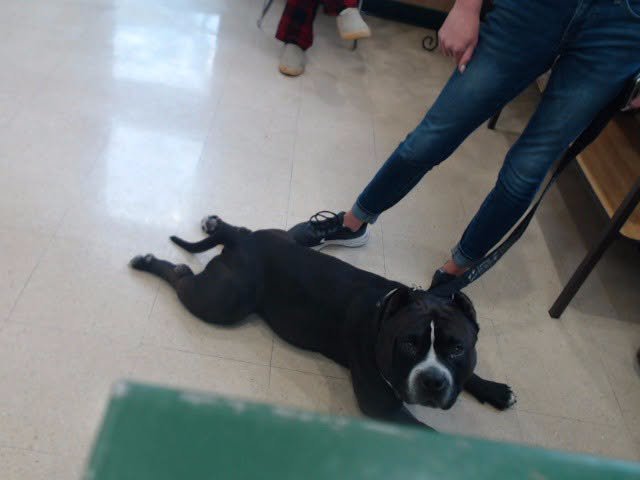
After we posted about the late Meatball in photo based on earlier social media posts by Reno Cop Watch who obtained video and Washoe County Regional Animal Services, we received these clarifications from Shyanne Schull the director of Washoe County Regional Animal Services who explained the dog was euthanized tragically on July 16th.
“We experienced a heartbreaking incident involving a dog in our care that became overheated while temporarily housed on the exterior kennel during the morning cleaning process,” Schull wrote to Our Town Reno this morning.
“The incident occurred on July 15, at approximately 10:00 a.m. while kennel staff were completing routine cleaning. It is routine practice for our animal care staff to close guillotine doors, securing dogs on the inside while cleaning outside and outside while cleaning inside. This is for animal and staff safety. Some of our exterior kennels face east, and are in the sun depending on time of year and day. Although temperatures were only in the 80s, the dog was found in medical distress.
Our veterinary team immediately initiated emergency treatment and ultimately transferred the dog to Blue Pearl Emergency Veterinary Hospital for advanced care. Despite every effort to save the dog, the prognosis was poor, and the difficult decision was made to humanely euthanize the dog to prevent further suffering.”
Schull says several “procedural changes designed to reduce the risk of a similar event occurring in the future” were implemented by July 27th.
She listed these as “ Adjusting the schedules of designated Caretakers during the warmer months to begin work at 6:30 a.m., allowing east-facing kennel runs to be cleaned first and minimizing animals' time in direct morning sun.
• Establishing a goal of completing each kennel section within 30 minutes. If operational circumstances such as maintenance, painting, or construction require animals to remain outside longer, they will be visually checked at least every 30 minutes.
• Updating the kennel cleaning Standard Operating Procedure to incorporate these changes.
• Reassigning staff to focus on public-facing services such as redemptions, microchipping, and intake, allowing Caretakers to remain focused on direct animal care during the busiest portion of the cleaning process.”
Schull concluded her message saying “additional operational adjustments are also being discussed and considered where appropriate to mitigate this situation from occurring again such as adding shade.”
Feel free to share this article on below social media: