Nevada's Limited Brothel System for Legal Sex Work Leaves Many Working in Difficult and Unsafe Conditions
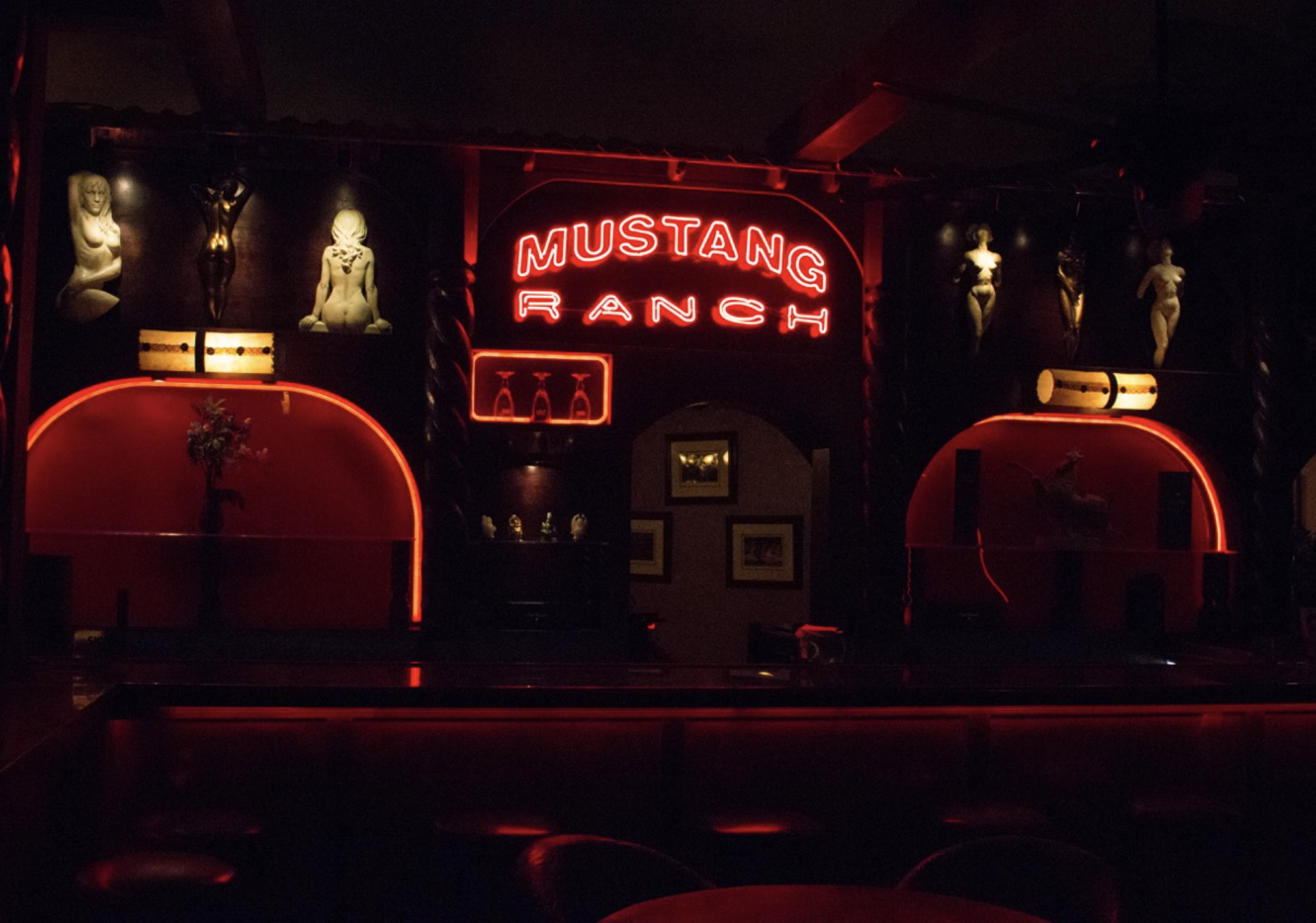
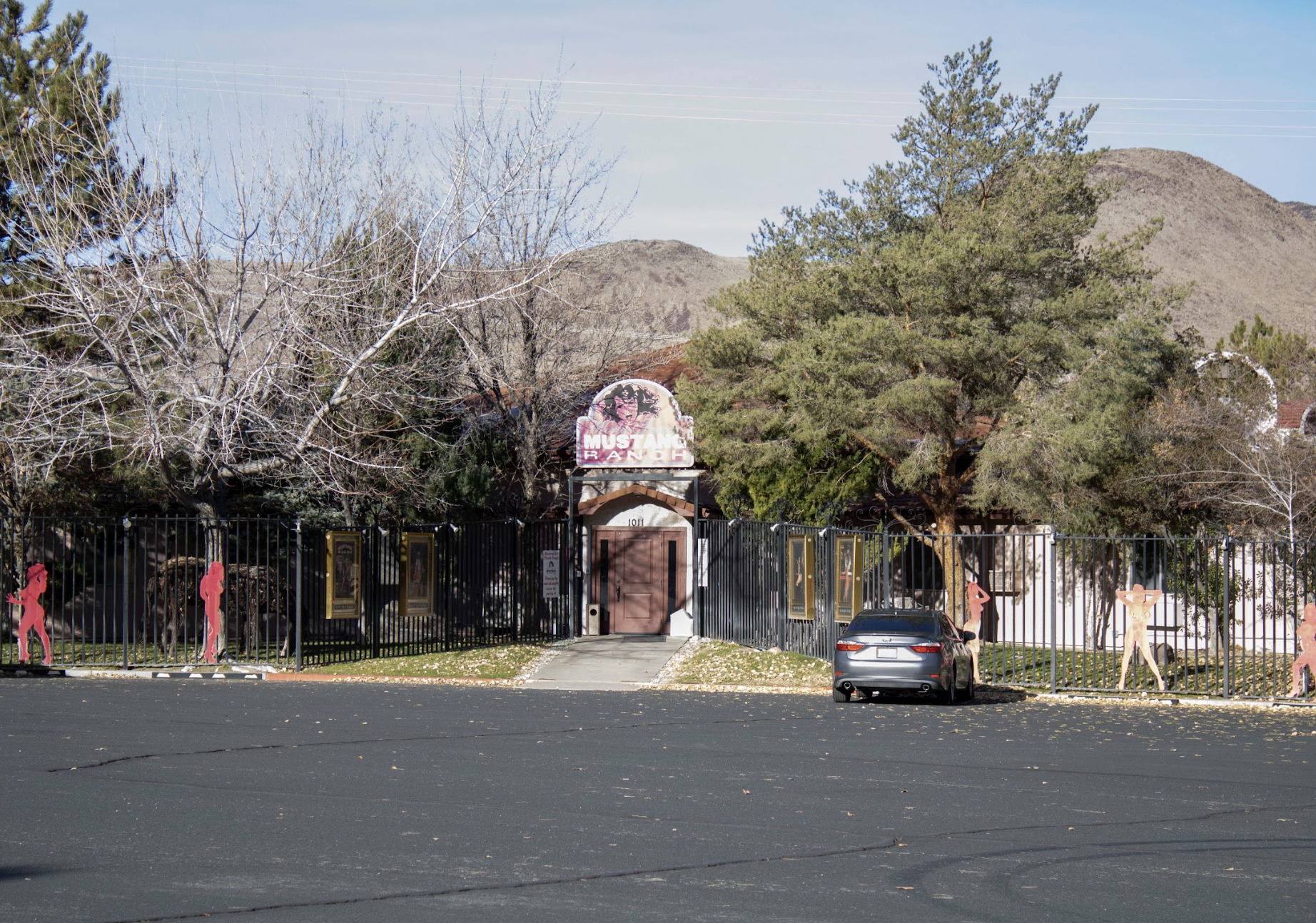
The Mustang Ranch is a brothel located off exit 28 on I-80 East toward Fernley, Nevada. Inside the Wild Horse Saloon, you’re met with bright neon signage for the establishment as well as statues of naked women behind the bar. The new renovated location with additional buildings has been open and operating since 2007. Reporting and photos by Stella Kraus and Kelsea Frobes.
“I saw the pain those women went through,” Ayana Austin, a 13-year employee of the Mustang Ranch said of illicit massage parlors. Before coming to the Mustang Ranch, Austin said she herself worked at a massage parlor with illegal sex work in Houston. She chose not to specify what issues she and her coworkers were exactly confronted to.
Several local massage parlors have been in the news recently, with a crackdown in both Reno and Sparks shutting down multiple locations for offering sex services.
Austin said she wished illicit massage parlors were more regulated, explaining that the difference between unregulated and legal sex work is stark, particularly regarding safety, pay structure, and support systems.
These differences fuel ongoing debates over how best to protect workers in the industry. These conversations center on whether localities should move toward full decriminalization (like New Zealand), partial legalization (like Nevada), or maintain criminalization. Advocates for decriminalization argue it increases workers’ ability to report harm.
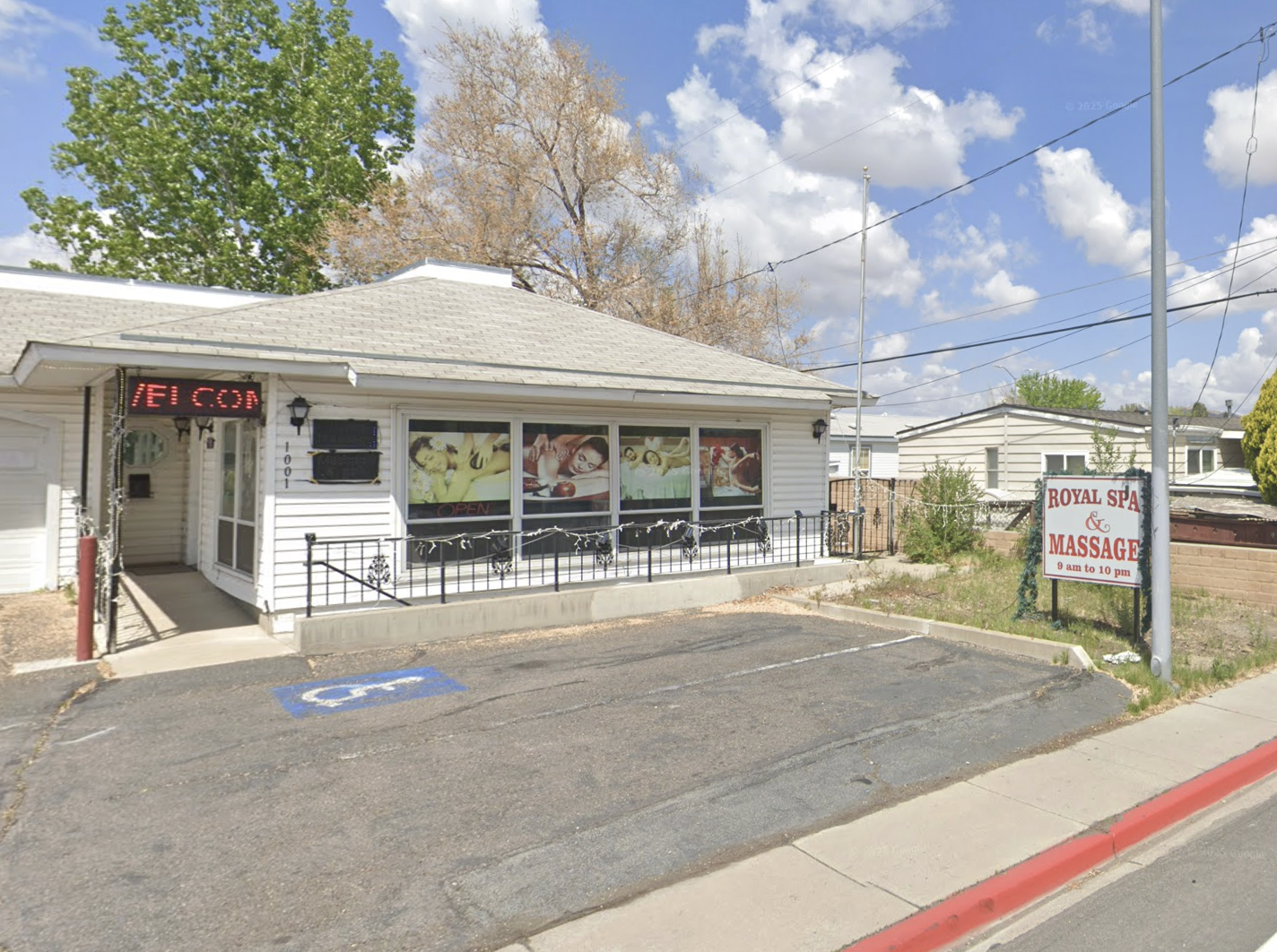
Nevada’s brothels, being geographically limited, often expensive and inaccessible to independent sex workers who prefer autonomy, offer just a partial answer to problems experienced by many sex workers.
“It’s not that we don’t want safety,” said Maxine Doogan. Doogan is a San Francisco-based sex worker and industry advocate. “It’s that legalization schemes always leave people out. Most workers can’t meet the requirements,” she explained.
Critics say Nevada’s system is limited because brothels are only allowed in rural counties, far from the urban centers where most sex workers live. According to Doogan, the legal requirements themselves make brothels inaccessible to most workers. “The legalization schemes in Nevada are extremely prohibitive to 99 percent of the prostitute nation,” Maxine said. “People can’t pick up their lives, travel to a remote brothel, pay room and board, wait for a work card, and hope they get hired. The barriers are too high.” For those who follow this process, though, they say it offers the safety they were looking for.
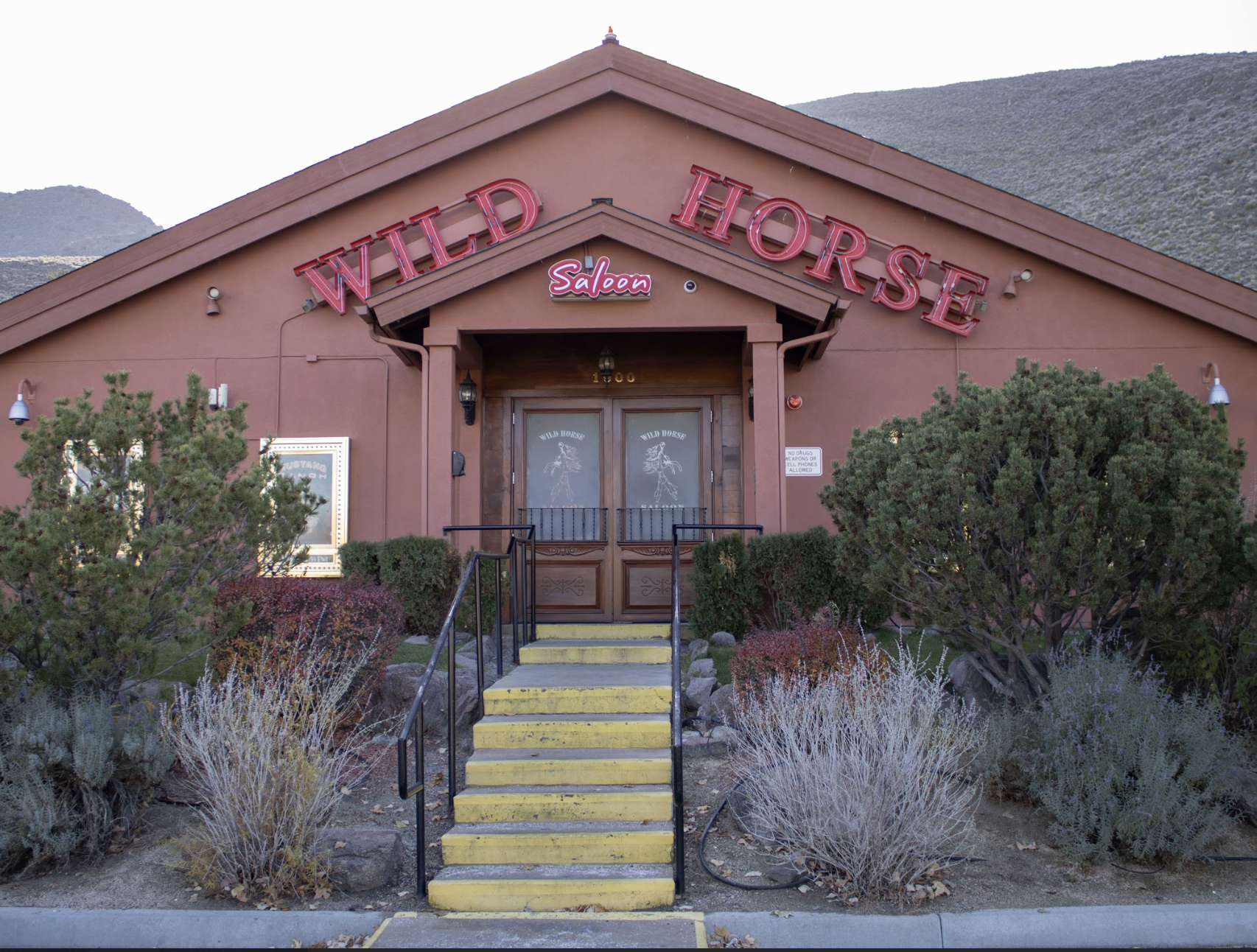
The Mustang Ranch, originally licensed in 1971 and relocated to its current Patrick area site in 2003, is a tightly regulated workplace. Workers there called courtesans are required to obtain work cards, undergo frequent medical testing for HIV, syphilis, and other sexually transmitted infections, while complying with local and state regulations.
Inside, hidden panic buttons, on-site security, and monitored common areas are standard. Security even escorts workers into Reno for errands or appointments, ensuring their safety outside the brothel. These protections set licensed brothels apart from street-based, underground work, illicit massage parlors, or even online work, where structural safeguards are minimal.
However, due to these extensive regulations, the cost of services at a brothel are much higher than that of informal versions of sex work. The courtesans at the ranch are not to disclose their rates, but it is safe to assume that customers are expected to pay at least several hundred dollars for most services offered. The higher rates also account for the profit shared with the ranch, as courtesans indicate the Mustang takes half of their profits.
When Laney, a courtesan who has worked at the Mustang Ranch for two years, first arrived, she said she expected an entirely different atmosphere.
“I thought it was going to be like Game of Thrones, people lounging on couches, men naked everywhere,” she said. Instead, she found a controlled, organized environment, focused heavily on safety.
Courtesans are encouraged to spread out within the lounge so clients aren’t intimidated when they enter. Music plays, screens display workers’ stage names as well as sensual nude videos of the women working that week, and LED lighting sets the tone.
But the strongest emphasis is on structural protections.
Laney recalled one incident where she had to press a panic button during a session where a client attempted to perform a sexual act that she did not consent to in their prior negotiation. Security responded in seconds. “When there’s a code red, everyone comes running,” said Megan Gilman, who co-owns the ranch with her husband, Donnie.
Jade, a courtesan who has worked at the ranch for eight years, said that despite outside stigma, the system itself makes her feel protected.
“We’re business partners with the ranch. We’re independent contractors,” she said. “It’s empowering because there’s an infrastructure, and we get to shine through that.”
Courtesans say that around 40 percent of their clients visit for companionship rather than sex. Many of the clients who come to the ranch for services are widows in need of companionship. Madam Tara, the name here for Tara Adkins who manages appointments and worker schedules, says many visitors are widowed, isolated or navigating disabilities.
This leads to a form of care work that goes beyond sexual services. Courtesans often guide clients through basic hygiene, communication, or sexual understanding.
Laney described asking a client to shower three separate times because she says he didn’t understand cleanliness requirements. She has also worked with autistic clients, navigating challenges like sensory overstimulation. “You have to be very empathetic to do this job,” she said. “You have to actually care.”
Nevada’s brothels are licensed only in rural counties with populations under 700,000, which excludes major urban cities like Reno and Las Vegas. Workers must obtain work cards, which require fingerprinting, background checks, and proof of regular health testing for sexually transmitted infections. Fees for a work card vary by county but typically range between $100 and $300, granting the holder legal authorization to work at any licensed brothel. But even with a work card, Doogan said a worker isn’t guaranteed employment. “You can get the license and still not get hired, meanwhile, you’re paying hotel fees or brothel room fees just waiting,” she explained.
Sex work today, though, exists far beyond any in-person interaction. For some, the internet provides a path to autonomy without the restrictions sex workers who operate in-person may face, but with its own set of challenges, opportunities and risks.
One anonymous OnlyFans creator based in Reno in her early twenties says she has more than 100,000 followers.
She described her experience as “profitable but complicated”. She says she gives 50 percent of her earnings to the agency she works under, though in exchange they provide marketing and account management. In the span of just five months, she says she has made several hundred thousand dollars.
“My agency doesn’t force me to do anything,” she said. “They’re constantly promoting me…but I still choose what I do.”
Her job obligations consist of filming singular videos about twice a week from her home, posting the content, and letting her agency handle the rest.
While OnlyFans offers creators independence and control over their work, it carries distinct risks that differ from regulated brothel employment. Digital sex workers must manage their own health, safety, and boundaries, and are vulnerable to harassment, doxxing, or exposure of personal information. They also face financial uncertainty if platforms suddenly suspend accounts or change policies. Their content can also be easily stolen and shared without permission, threatening income and privacy.
OnlyFans falls under digital content law, not prostitution law. Creators are independent contractors with payment processing regulations which is far different from the county-level licensing Nevada requires for brothel workers.
Despite Nevada being the only state in the country where brothels operate legally, Jannik Lindner the cofounder of the data analysis web platform Gitnux indicates that “law enforcement estimates that nearly 90% of prostitution in Nevada takes place illegally in Las Vegas, not in legal rural brothels.” With the U.S. sex trade valued at roughly $14 billion annually, the question is not whether sex work exists, but how it should be regulated, and whom it protects.

Legal brothels offer one model of protection, but these only serve a small portion of the broader industry. Online platforms offer independence but lack the safeguards of regulated environments. Many illicit massage parlors continue to operate despite police crackdowns. Meanwhile, websites proliferate offering illegal sex work.
Despite the complexity of the system, sex workers across brothels, illicit and digital spaces consistently express the same priorities: safety, autonomy, and the ability to control their work.
Their experiences show that the question isn’t simply whether sex work should be legal, but rather how to create conditions where sex workers can work without the fear and stigma that often comes with being a sex worker.
“This job has taught me how to be confident in my own body, and how to set strict boundaries with not only myself, but with love interests,” Caroline Peach, another courtesan at the Mustang Ranch, promoted on their website, said.
Feel free to share this article on the below social media platforms: